
Sailing the Pointes: Why Premium Polarization Is Essential for Open-Water Vision
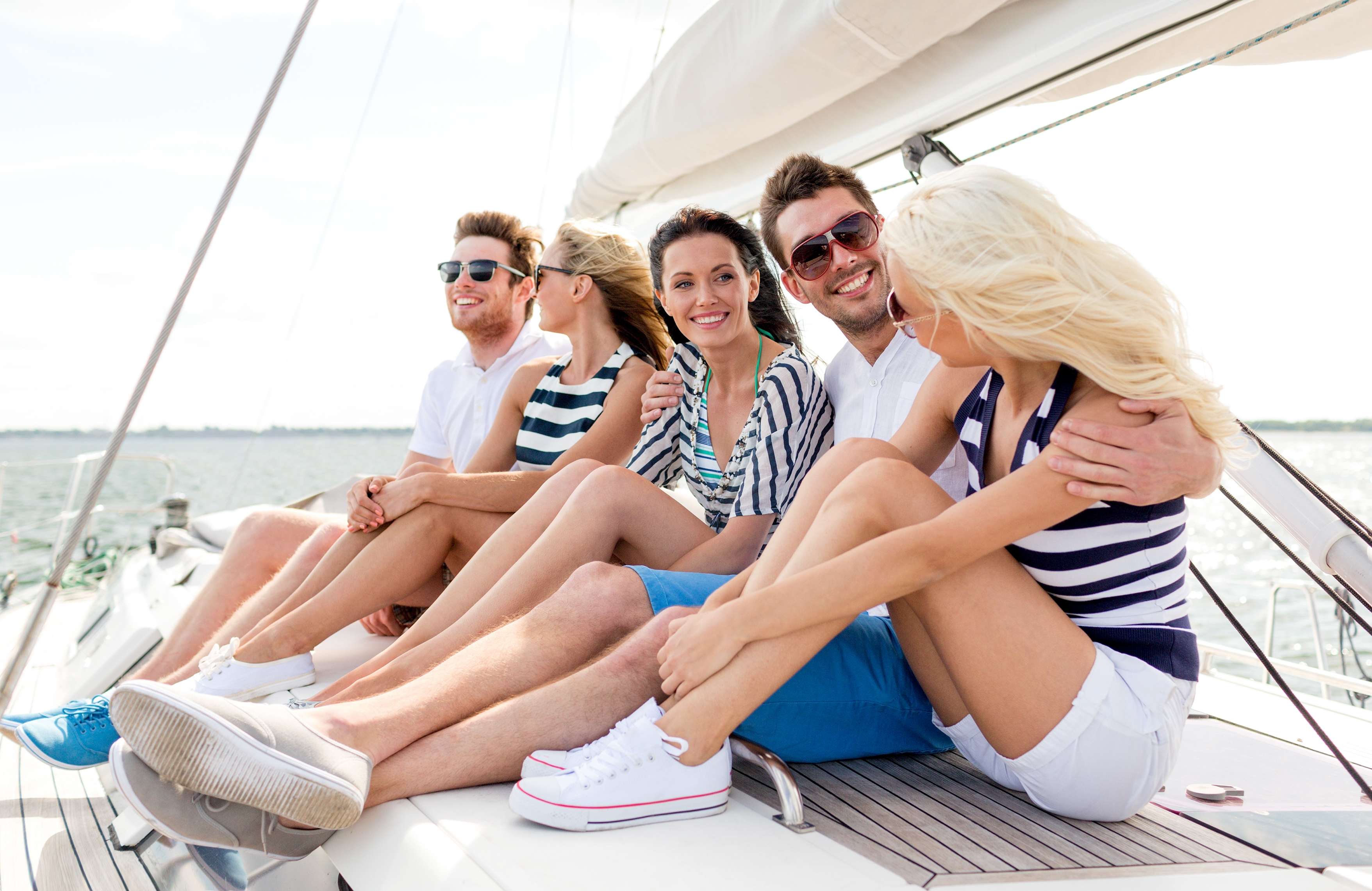
Life near the water comes with beautiful views, but it also comes with intense glare. For patients around Grosse Pointe Woods and the Pointes, boating, sailing, fishing, driving near the lake, and spending time outdoors can put your eyes in bright, reflective conditions for hours at a time. Standard sunglasses may darken the view, but they do not always solve the real problem.
Premium polarized sunglasses are designed to reduce reflected glare, support clearer vision, and help protect your eyes during open-water activities.
Why Open-Water Glare Is So Difficult
Water reflects sunlight in a way that can overwhelm the eyes. Instead of light coming from one direction, it bounces off the surface and creates harsh horizontal glare. This can make it harder to see waves, docks, boat traffic, buoys, and changes in the water.
For sailors and boaters in the Grosse Pointe Woods area, that glare can quickly lead to squinting, eye fatigue, headaches, and reduced visual comfort. Regular tinted lenses may make everything darker, but they may not cut through reflected light effectively.
What Makes Polarized Lenses Different?
Polarized lenses use a special filter that helps block intense reflected glare. This can make the view feel clearer and more comfortable, especially around water, roads, and bright outdoor surfaces.
For open-water vision, premium polarization can improve contrast and reduce the blinding shine that standard sunglasses often leave behind. This is why polarized lenses are often recommended for boating, fishing, sailing, and waterfront driving.
Why Standard Sunglasses May Not Be Enough
Standard sunglasses can reduce brightness, but brightness and glare are not the same. A dark lens without polarization may still allow reflected glare to interfere with your vision. In some cases, overly dark lenses can make it harder to see details in shaded areas or changing light.
High-quality sunglasses should provide more than a tint. They should offer UV protection, comfortable vision, and lens features that match your lifestyle around the water.
Signs You Need Better Sunglasses For The Water
You may benefit from premium polarized lenses if you notice:
- Squinting even while wearing sunglasses
- Eye fatigue after boating or sailing
- Glare bouncing off the lake, docks, or boat surfaces
- Trouble seeing changes in the water
- Headaches after long outdoor activities
- Light sensitivity during bright afternoons
- Difficulty driving near reflective roads or water
- Sunglasses that feel too dark but still do not reduce glare
These symptoms can also be affected by prescription changes or eye health conditions, so an eye exam can help determine the best eyewear option.
Prescription Polarized Sunglasses For Clearer Vision
If you wear prescription glasses, standard non-prescription sunglasses may not give you the clarity you need. Prescription polarized sunglasses combine your vision correction with glare reduction and UV protection. This can be especially helpful when navigating open water, reading instruments, spotting obstacles, or driving to and from the marina.
At Pointe Vision Care in Grosse Pointe Woods, patients can ask about lens options that support both daily vision and outdoor performance.
UV Protection Still Matters
Polarization reduces glare, but UV protection protects eye health. The best sunglasses should block 100 percent of UVA and UVB rays. This is important because long-term UV exposure can contribute to eye surface irritation, cataracts, and other vision concerns over time.
When choosing sunglasses for sailing or boating, frame coverage matters too. Larger frames or wraparound styles can help reduce light entering from the sides, especially when sunlight reflects off the water.
Choosing Eyewear For Your Lifestyle
Premium sunglasses should be selected based on how you use your vision. A person who sails every weekend may need different lenses than someone who mostly drives along Lakeshore Drive or spends occasional afternoons near the water.
Your optometry team can help you compare lens materials, polarization, tint, coatings, frame fit, and prescription needs. The right combination can make open-water vision sharper, safer, and more comfortable.
For prescription polarized sunglasses or an eye exam before your next day on the water, contact Pointe Vision Care in Grosse Pointe Woods, MI at 20525 Mack Ave, Grosse Pointe Woods, MI 48236, or call (313) 546-0600.


Contact Info
Hours of Operation
- Monday 9:00am - 4:00pm
- Tuesday 9:00am - 6:30pm
- Wednesday Closed
- Thursday 9:00am - 6:30pm
- Friday 9:00am - 4:00pm
- Saturday By Appointment
- Sunday Closed
© 2026 Pointe Vision Care. All rights Reserved. Accessibility Statement - Privacy Policy - Sitemap
Powered by: