Blog list
Pointe Vision Care Blog
Learn more about optometrist care in our blog!

Driving along Mack Avenue in Grosse Pointe Woods during autumn can become uncomfortable when low sunlight, reflections, and oncoming headlights create intense glare. While seasonal lighting changes can make driving more challenging, persistent glare and difficulty seeing at night may indicate an underlying vision problem, including cataracts.
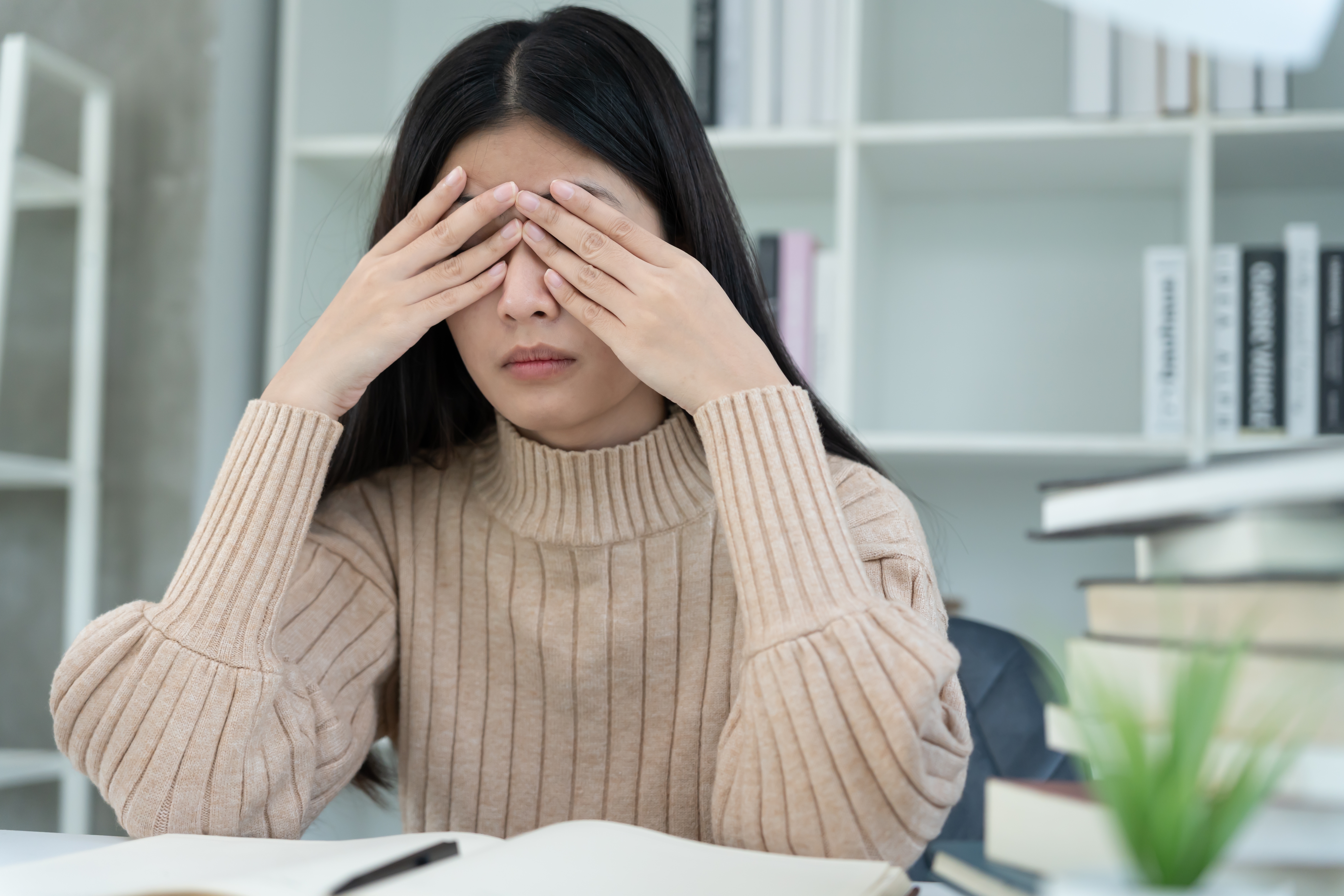
Sudden changes in vision can be unsettling, especially when they happen without warning. While some changes may be temporary, others can point to an eye health issue that should be evaluated promptly. At Pointe Vision Care, we recommend scheduling a medical eye exam when you notice new or unexplained symptoms so we can identify the cause and determine the appropriate next steps.
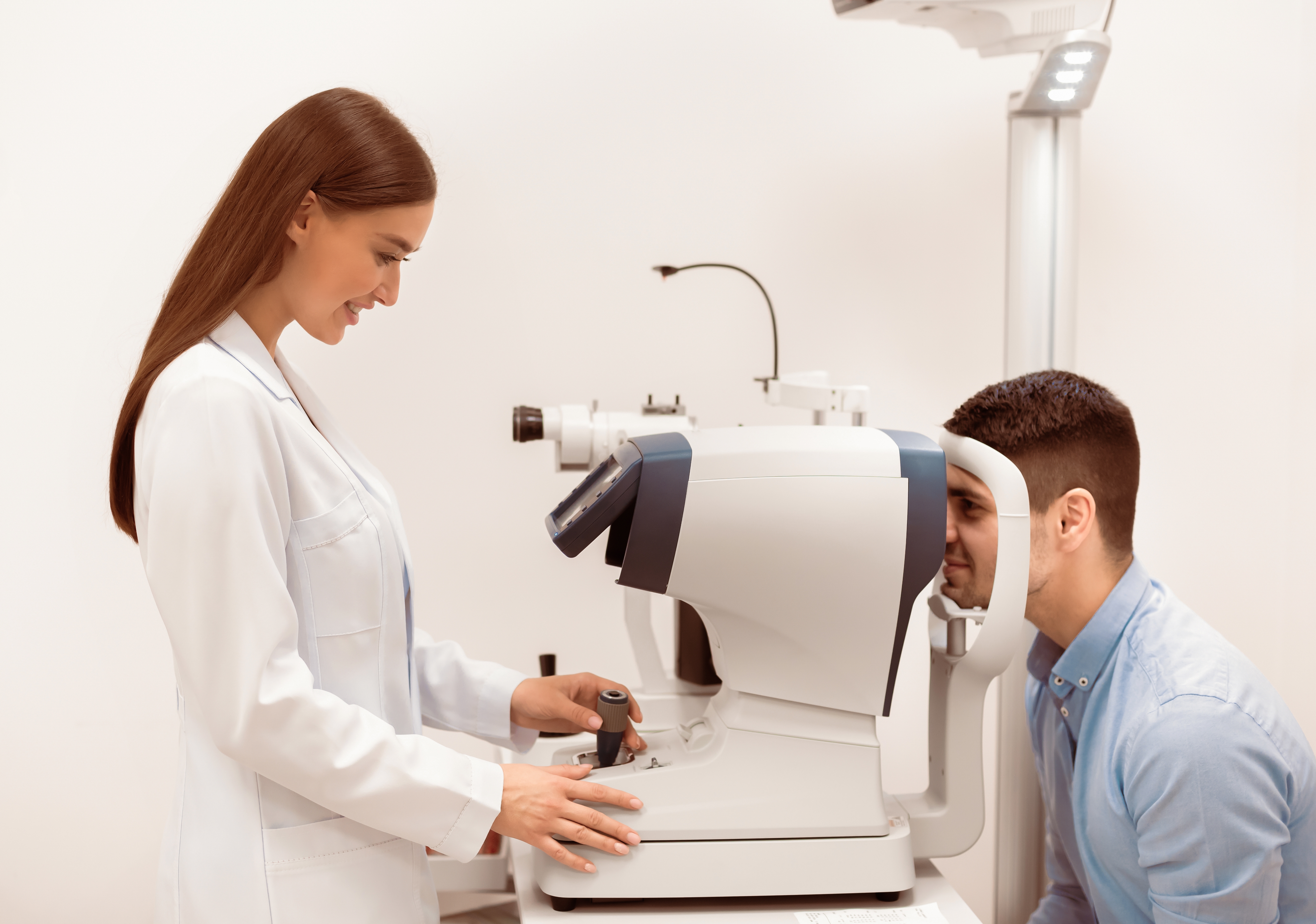
Diabetes can affect the small blood vessels throughout the body, including those in the retina. Because early diabetic eye disease may develop without noticeable symptoms, regular diabetic eye exams are an important part of protecting your vision. At Pointe Vision Care, we provide diabetic eye exams in Grosse Pointe Woods to carefully evaluate your eye health and look for changes that may require monitoring or treatment.
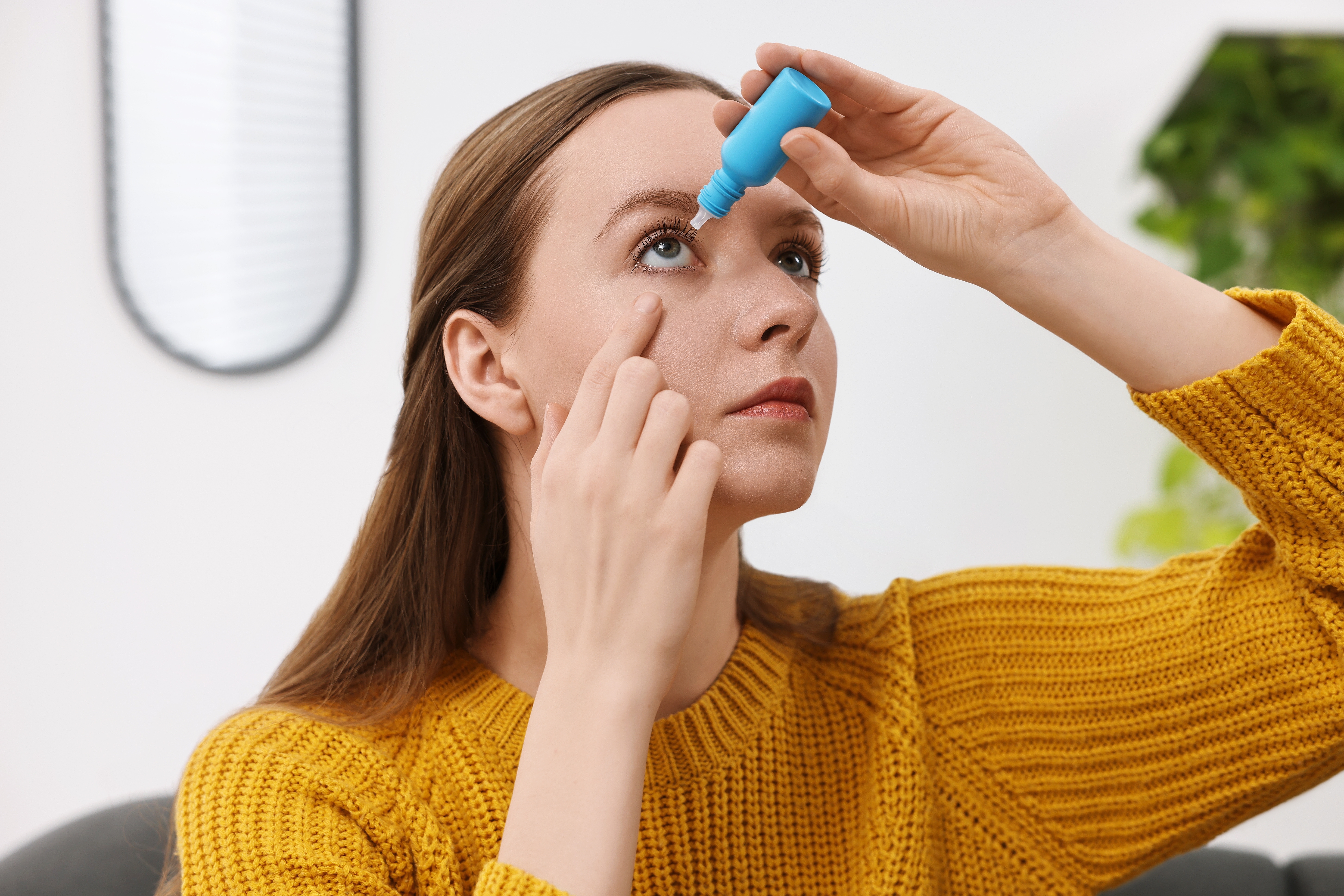
Dry, burning, watery, or irritated eyes can make reading, driving, working, and wearing contact lenses uncomfortable. Many Grosse Pointe residents begin with over-the-counter eye drops because they are convenient and may provide quick relief. However, when symptoms keep returning, drops alone may not address the reason your eyes feel dry.

Life near the water comes with beautiful views, but it also comes with intense glare. For patients around Grosse Pointe Woods and the Pointes, boating, sailing, fishing, driving near the lake, and spending time outdoors can put your eyes in bright, reflective conditions for hours at a time. Standard sunglasses may darken the view, but they do not always solve the real problem.
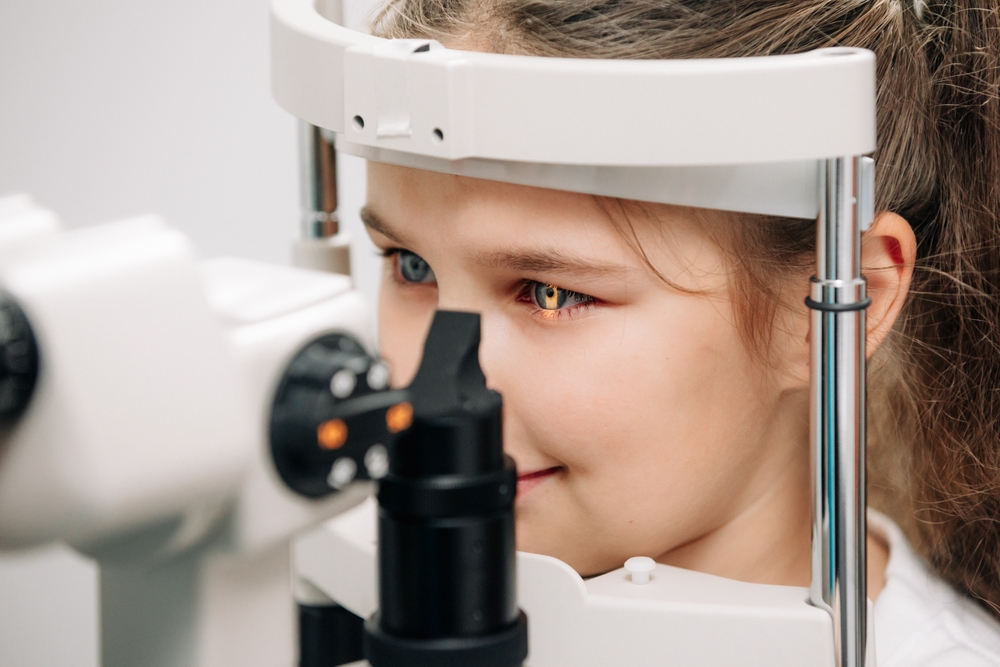
Many people schedule an eye exam because their vision feels blurry, their glasses no longer seem strong enough, or they are having trouble reading up close. While checking your prescription is important, it is only one part of what we do during a comprehensive eye exam.
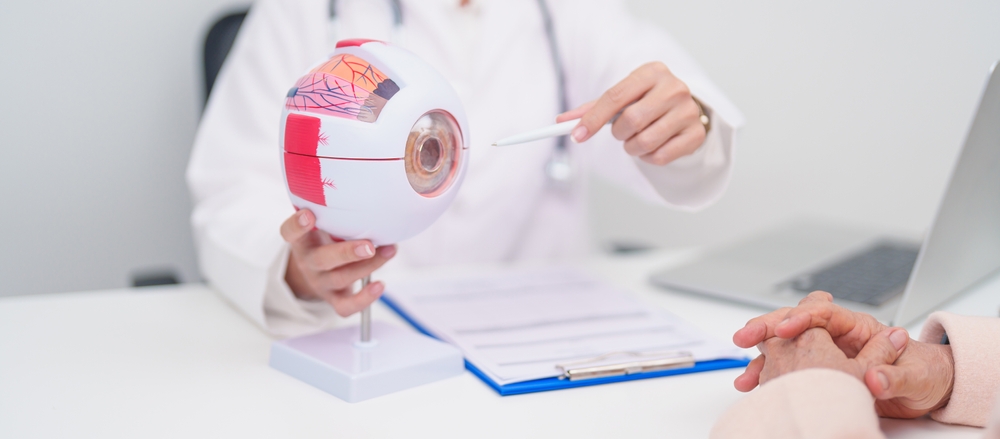
Diabetes can impact the tiny blood vessels that support healthy vision. Over time, high blood sugar may weaken or damage those vessels, which can reduce how well the retina functions. Because the retina plays a major role in clear sight, changes in its health can lead to blurred vision, dark spots, or more serious complications if they are not caught early.
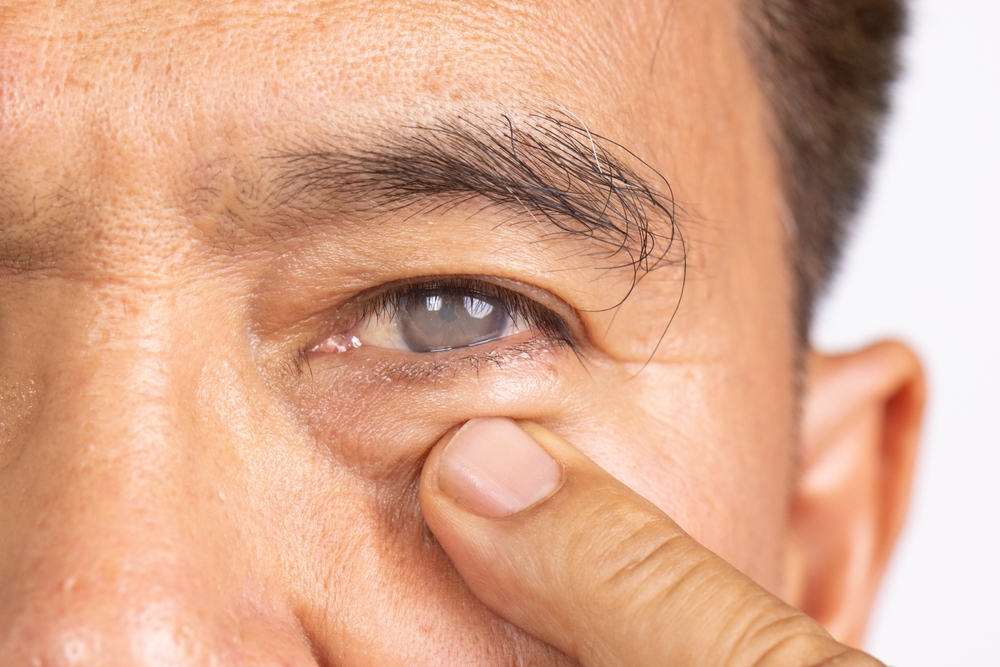
Cataracts are one of the most common age-related eye conditions, but age is not the only factor. If you are over 60, have diabetes, smoke, spend a lot of time in the sun, or take certain steroid medications, your risk may be higher. A family history of cataracts can also play a role. Knowing your risk factors is the first step toward protecting your vision.
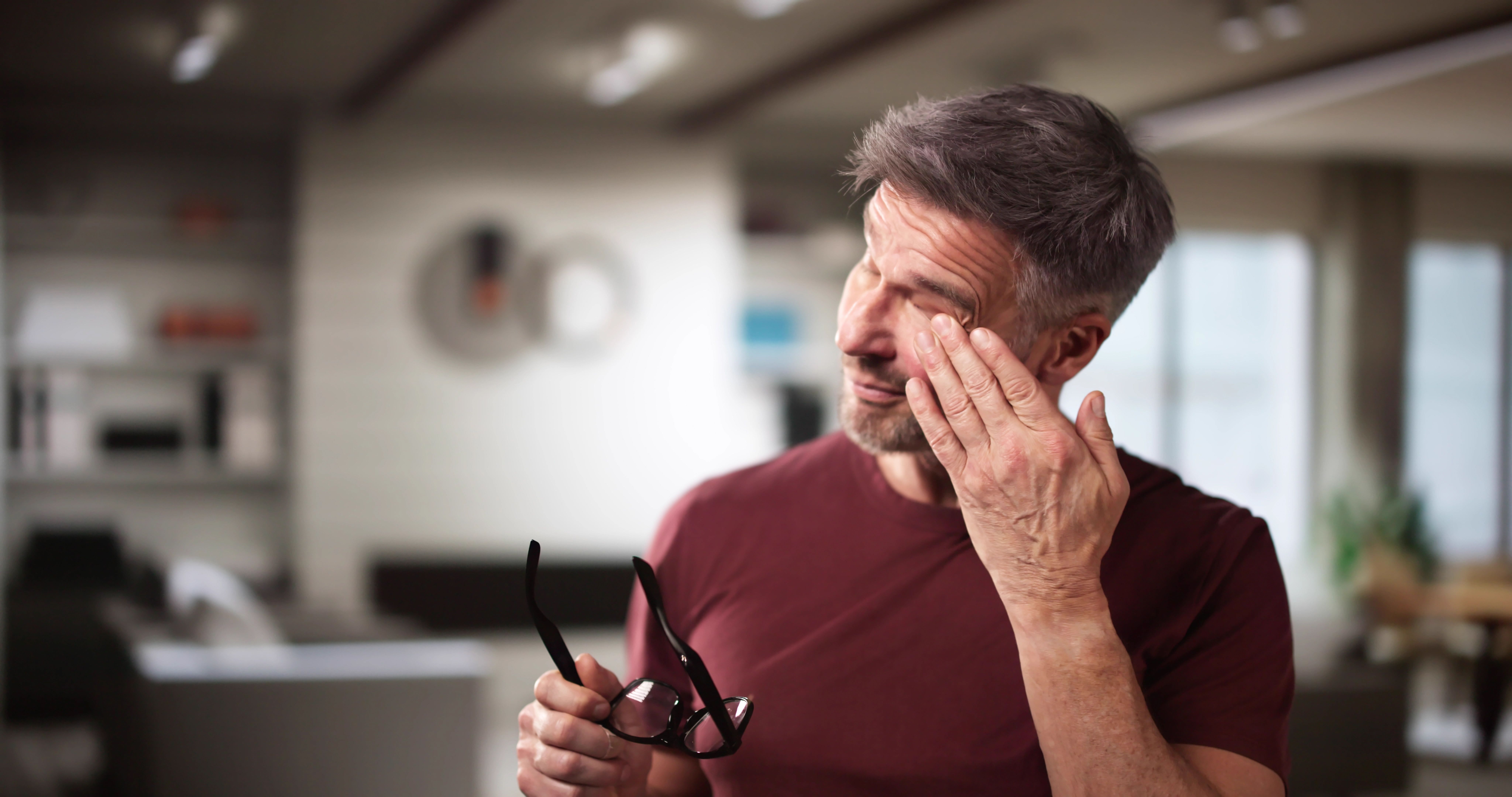
If your eyes often feel dry, itchy, or irritated, you may assume it’s due to fatigue, allergies, or spending too much time in front of a screen. While those factors can certainly contribute, persistent discomfort may actually be a sign of dry eye disease, a common condition that affects millions of people.

If you spend hours each day working on a computer, you may notice symptoms like dry, irritated eyes, headaches, blurred vision, or general eye fatigue by the end of the day. These issues are increasingly common as more people work remotely or spend long stretches on digital devices.


Contact Info
Hours of Operation
- Monday 9:00am - 4:00pm
- Tuesday 9:00am - 6:30pm
- Wednesday Closed
- Thursday 9:00am - 6:30pm
- Friday 9:00am - 4:00pm
- Saturday By Appointment
- Sunday Closed
© 2026 Pointe Vision Care. All rights Reserved. Accessibility Statement - Privacy Policy - Sitemap
Powered by: