


How Doctors Spot Diabetes During an Eye Exam
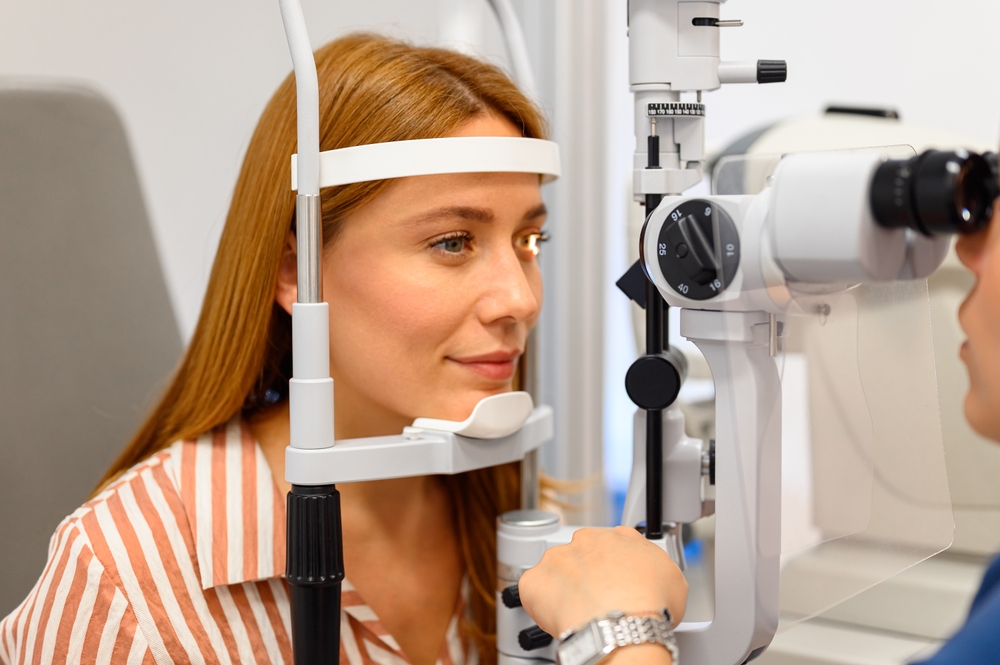
Many people are surprised to learn that diabetes can often be detected during an eye exam - sometimes before any other symptoms appear. Because diabetes affects blood vessels throughout the body, the eyes can reveal early warning signs that may otherwise go unnoticed. At Pointe Vision Care, comprehensive eye exams play a critical role not only in protecting your vision, but also in safeguarding your overall health.
The Connection Between Diabetes and Eye Health
Diabetes impacts how the body processes blood sugar, and over time, elevated glucose levels can damage small blood vessels. The eyes are particularly vulnerable to these changes. The retina, which is responsible for converting light into visual signals for the brain, relies on a delicate network of blood vessels that can be affected early in the course of diabetes.
In many cases, patients may not experience vision changes right away. This is why routine, comprehensive eye exams are so important - even for individuals who feel their eyesight is perfectly fine.
Signs Doctors Look for During a Comprehensive Eye Exam
During a comprehensive eye exam, your eye doctor evaluates much more than just how clearly you see. Several key findings can raise concern for diabetes or poorly controlled blood sugar levels:
Changes in Retinal Blood Vessels: One of the earliest signs is damage to the tiny blood vessels in the retina. These vessels may appear swollen, weakened, or leaky, which can indicate diabetic eye disease.
Diabetic Retinopathy: Diabetic retinopathy is a common condition caused by prolonged high blood sugar levels. Your doctor looks for signs such as microaneurysms, small hemorrhages, or abnormal new blood vessel growth during a dilated retinal exam.
Swelling of the Macula: The macula is responsible for sharp, central vision. Fluid buildup in this area - known as diabetic macular edema - can be detected during an eye exam and may signal underlying diabetes.
Frequent Prescription Changes: Unstable blood sugar levels can temporarily alter the shape of the eye’s lens, leading to frequent or sudden changes in vision. If your prescription seems to fluctuate often, your doctor may recommend further medical evaluation.
Other Eye Health Clues: Diabetes can also increase the risk of conditions such as cataracts and glaucoma. Detecting these issues earlier than expected may prompt your eye doctor to recommend blood sugar testing or follow-up with your primary care physician.
Why a Comprehensive Eye Exam Matters
A comprehensive eye exam is one of the few ways to directly observe blood vessels without surgery or invasive testing. This makes it an incredibly valuable tool for detecting systemic conditions like diabetes.
Even if you have already been diagnosed with diabetes, diabetic eye exams are essential for monitoring how well the condition is being managed and preventing vision-threatening complications.
Who Should Be Especially Vigilant?
You may benefit from more frequent comprehensive eye exams if you:
Have a family history of diabetes
Experience frequent changes in vision
Have high blood pressure or high cholesterol
Are over the age of 40
Have been diagnosed with prediabetes or diabetes
Take a Proactive Step Toward Eye and Overall Health
Your eyes can reveal far more than vision problems - they can provide critical insight into your overall health. Comprehensive eye exams are a simple yet powerful way to protect both your sight and your well-being.
Contact Pointe Vision Care to schedule a comprehensive eye exam and take an important step toward protecting your vision and overall wellness. Visit our office in Grosse Pointe Woods, Michigan, or call (313) 546-0600 to book an appointment today.


Contact Info
Hours of Operation
- Monday 9:00am - 4:00pm
- Tuesday 9:00am - 6:30pm
- Wednesday Closed
- Thursday 9:00am - 6:30pm
- Friday 9:00am - 4:00pm
- Saturday By Appointment
- Sunday Closed
© 2026 Pointe Vision Care. All rights Reserved. Accessibility Statement - Privacy Policy - Sitemap
Powered by: