
Dry, Irritated Eyes? You May Have Dry Eye
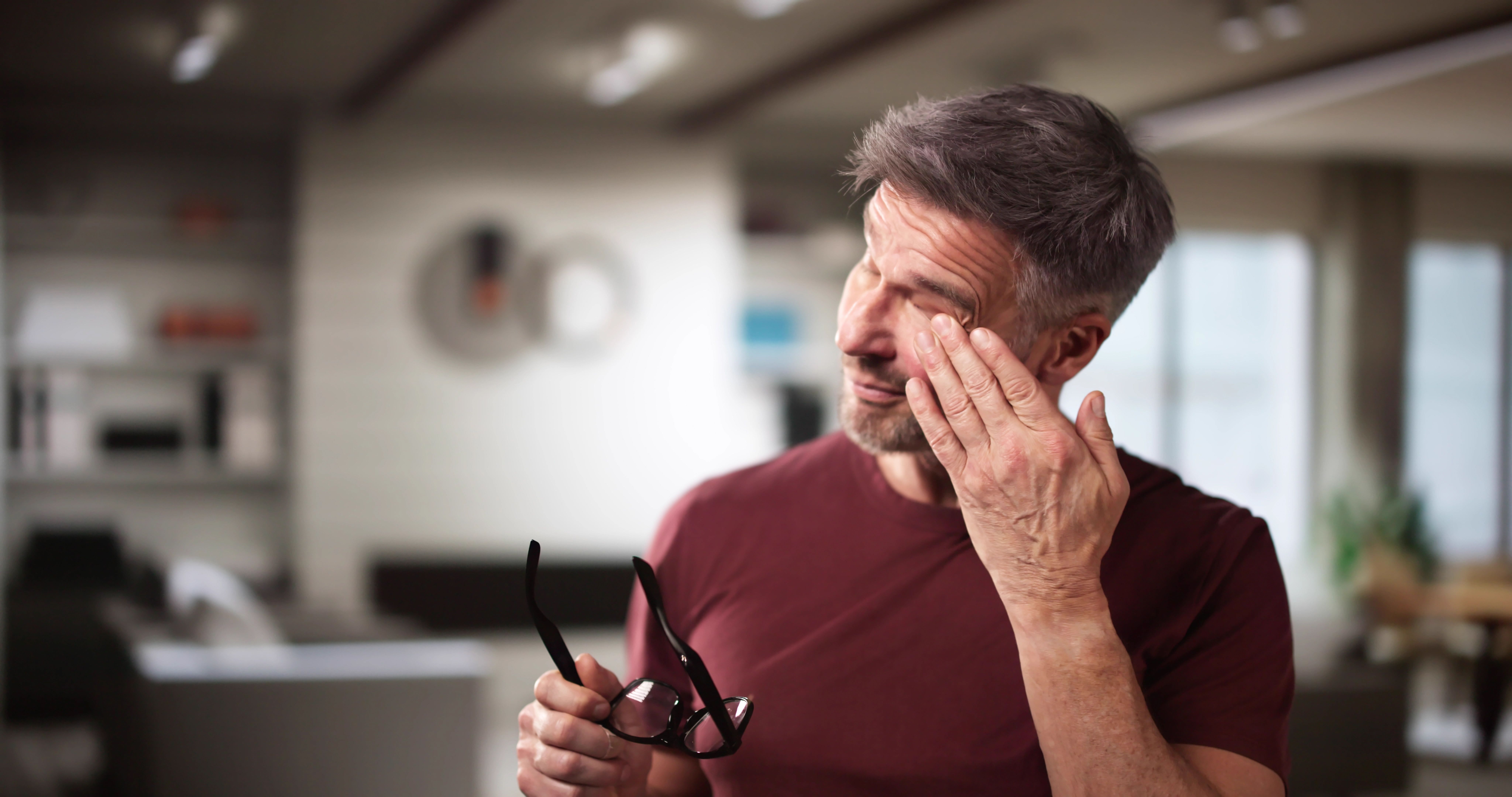
If your eyes often feel dry, itchy, or irritated, you may assume it’s due to fatigue, allergies, or spending too much time in front of a screen. While those factors can certainly contribute, persistent discomfort may actually be a sign of dry eye disease, a common condition that affects millions of people.
At Pointe Vision Care, we frequently see patients who are surprised to learn that their ongoing eye irritation has an underlying cause. Understanding the symptoms and seeking proper care can help protect your eye health and restore your daily comfort.
What Is Dry Eye?
Dry eye occurs when your eyes do not produce enough tears or when the tears evaporate too quickly. Healthy tears are essential for keeping the surface of the eye lubricated, clear, and comfortable. They also help wash away debris and reduce the risk of infection.
Tears are made up of three layers - oil, water, and mucus. If any of these components are out of balance, the tear film becomes unstable, leading to dryness and irritation.
Dry eye can range from mild discomfort to a chronic condition that interferes with your daily life, especially if left untreated.
Common Symptoms of Dry Eye
Many people with dry eye do not immediately recognize their symptoms as a medical condition. The signs can vary from person to person but often include:
- A stinging, burning, or scratchy sensation in the eyes
- Redness or irritation
- A feeling like something is stuck in your eye
- Blurred vision that improves with blinking
- Sensitivity to light
- Watery eyes (a reaction to dryness)
- Eye fatigue, especially after reading or using digital devices
If these symptoms occur frequently or persist throughout the day, it may be time to schedule a professional eye evaluation.
What Causes Dry Eye?
Several factors can contribute to the development of dry eye. Some of the most common causes include:
Aging - As we get older, tear production naturally decreases. Dry eye is especially common in adults over the age of 50.
Screen Use - Extended time spent on computers, tablets, and smartphones reduces how often we blink. Fewer blinks mean tears evaporate more quickly.
Environmental Factors - Wind, dry air, air conditioning, and smoke can all increase tear evaporation and lead to eye irritation.
Contact Lens Wear - While contact lenses are safe and effective for vision correction, they can sometimes contribute to dryness if the eyes are not properly hydrated.
Medical Conditions and Medications - Certain health conditions and medications can interfere with tear production, increasing the likelihood of dry eye symptoms.
How Dry Eye Is Diagnosed
During a comprehensive eye exam, your eye care provider can evaluate the health of your tear film and determine whether dry eye is present. This evaluation may include examining tear production, checking the quality of the tear film, and assessing the overall health of the eye’s surface.
Identifying the underlying cause of dry eye allows your provider to recommend the most effective treatment plan.
Treatment Options for Dry Eye
Fortunately, there are several ways to manage and relieve dry eye symptoms. Treatment may depend on the severity and cause of the condition.
Common treatment approaches include:
- Artificial tears or lubricating eye drops
- Lifestyle adjustments to reduce environmental triggers
- Specialized treatments designed to improve tear production and stability
- Recommendations for improving eyelid hygiene and eye health
With proper care, many patients experience significant improvement in comfort and vision.
When to See an Eye Doctor
If you regularly experience dry, irritated, or watery eyes, it’s important not to ignore the symptoms. Persistent discomfort may indicate dry eye disease, and professional evaluation can help prevent complications while restoring your eye comfort.
Early treatment can make a significant difference in managing symptoms and improving quality of life.
Schedule Your Comprehensive Eye Exam at Pointe Vision Care
Dry, irritated eyes are more than just an occasional nuisance - they can be a sign of dry eye disease. Because this condition can worsen over time, recognizing the symptoms and seeking professional care is essential for protecting your long-term eye health.
If you’re experiencing dry, burning, or irritated eyes, the team at Pointe Vision Care is here to help. Visit our office in Grosse Pointe Woods, Michigan, or call (313) 546-0600 to book an appointment today.


Contact Info
Hours of Operation
- Monday 9:00am - 4:00pm
- Tuesday 9:00am - 6:30pm
- Wednesday Closed
- Thursday 9:00am - 6:30pm
- Friday 9:00am - 4:00pm
- Saturday By Appointment
- Sunday Closed
© 2026 Pointe Vision Care. All rights Reserved. Accessibility Statement - Privacy Policy - Sitemap
Powered by: