Blinded by Headlights on Mack Ave? When Autumn Glare Means It’s Time for a Cataract Eval
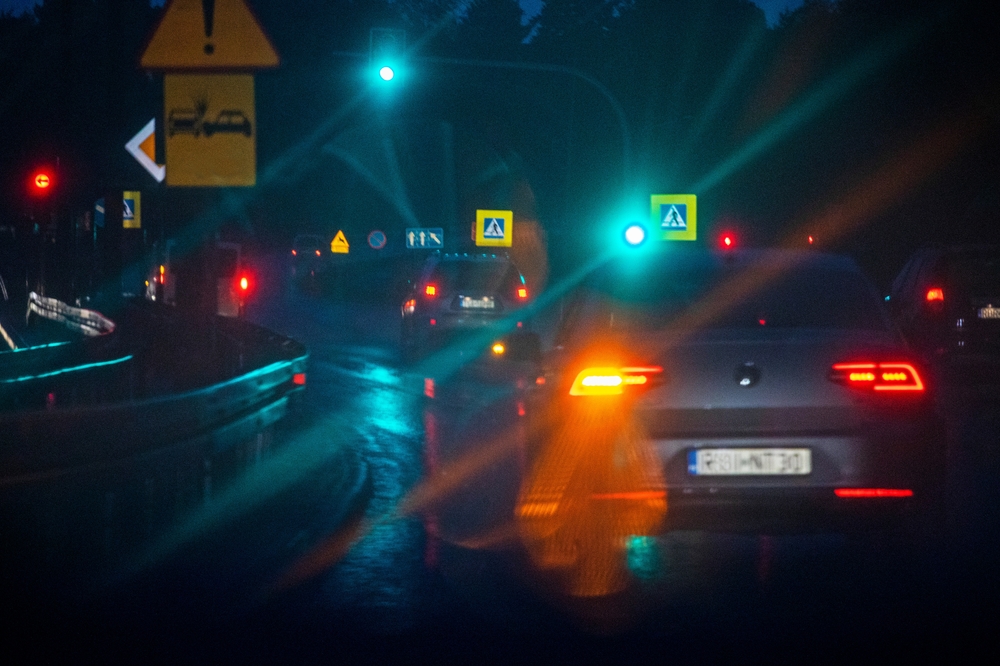
Driving along Mack Avenue in Grosse Pointe Woods during autumn can become uncomfortable when low sunlight, reflections, and oncoming headlights create intense glare. While seasonal lighting changes can make driving more challenging, persistent glare and difficulty seeing at night may indicate an underlying vision problem, including cataracts.
At Pointe Vision Care, we help patients understand changes in their vision through comprehensive eye exams and cataract evaluations. If headlights seem brighter than usual or nighttime driving has become stressful, it may be time to have your eyes checked.
Why Autumn Glare Can Make Cataract Symptoms More Noticeable
During fall, the sun sits lower in the sky, creating stronger glare during morning and evening commutes. Shorter daylight hours also mean more time driving after dark, when headlights and streetlights can become particularly bothersome.
Cataracts develop when the eye's natural lens becomes cloudy. This cloudiness scatters incoming light, making it harder to see clearly in certain lighting conditions. For drivers in Grosse Pointe Woods, these changes may become especially noticeable during autumn.
Although occasional glare is common, increasing sensitivity to light or difficulty distinguishing objects at night deserves attention.
Signs You May Need a Cataract Evaluation
Cataracts typically develop gradually, so early symptoms can be easy to overlook. Some patients assume their glasses need updating without realizing that changes in the eye's natural lens may be affecting their vision.
Common warning signs include:
Increased glare from headlights, streetlights, or sunlight
Halos or rings appearing around bright lights
Blurry, cloudy, or hazy vision that persists
Difficulty seeing road signs clearly, especially at night
Colors appearing faded or less vibrant than before
These symptoms do not automatically mean you have cataracts. Dry eye, uncorrected vision problems, and other eye conditions can also contribute to glare. A comprehensive eye exam helps us identify the cause.
What Happens During a Cataract Evaluation?
At Pointe Vision Care in Grosse Pointe Woods, our cataract evaluations focus on understanding how your vision has changed and whether cataracts are contributing to your symptoms.
We begin by discussing your concerns, including difficulties with night driving, glare sensitivity, and everyday activities. We assess your visual clarity and examine the health of your eyes, including the natural lens, for signs of clouding.
If cataracts are present, we explain their severity and discuss appropriate next steps. Mild cataracts may only require monitoring and updated eyewear, while more advanced cases may benefit from a referral for cataract surgery.
Our goal is to help you understand your eye health and make informed decisions about your vision.
When Should You Schedule an Eye Exam?
If glare is making driving uncomfortable or you find yourself avoiding nighttime trips around Grosse Pointe Woods, don't assume it's simply a seasonal inconvenience.
Persistent glare, worsening night vision, and frequent prescription changes are reasons to schedule an evaluation. Cataracts are common with age, but early identification allows us to monitor changes and determine when additional treatment may be appropriate.
If your vision becomes suddenly worse, seek urgent medical attention rather than waiting for a routine cataract appointment.
At Pointe Vision Care, we're committed to helping you maintain clear, comfortable vision throughout the changing seasons. If headlights or autumn glare are affecting your ability to see comfortably, contact Pointe Vision Care in Grosse Pointe Woods, MI, at (313) 546-0600 to schedule your cataract evaluation today.


Contact Info
Hours of Operation
- Monday 9:00am - 4:00pm
- Tuesday 9:00am - 6:30pm
- Wednesday Closed
- Thursday 9:00am - 6:30pm
- Friday 9:00am - 4:00pm
- Saturday By Appointment
- Sunday Closed
© 2026 Pointe Vision Care. All rights Reserved. Accessibility Statement - Privacy Policy - Sitemap
Powered by: